






Yes. Upcycled skincare ingredients can be just as effective as conventional ones, and in some cases more so, because they are often rescued at peak potency from food and drink production before they would otherwise be thrown away. The real question is not whether "upcycled" means "lesser", but whether the specific ingredient is backed by evidence. This guide explains what upcycling means, what the science says about the actives behind it, and how to tell a genuine performer from a green-sounding filler.
Key takeaways
- Upcycled ingredients are surplus materials, such as spent coffee grounds rescued from cafes, reprocessed into skincare actives. They are not waste, and not a lower grade.
- Efficacy depends on the molecule, not its origin. Caffeine, antioxidants and fatty acids behave the same whether they are rescued or grown new.
- Coffee grounds rescued from cafes are a well established physical exfoliant, and the caffeine they carry is widely used to reduce the look of puffiness and dark circles.
- "Upcycled" is a sourcing claim, not an efficacy claim. Always look for the named active and where it sits in the ingredient list.
- Choosing upcycled actives can lower the footprint of an ingredient without asking you to trade down on results.
What does "upcycled" actually mean in skincare?
Upcycled skincare ingredients are surplus or by-product materials from another industry that are rescued and reprocessed into a functional skincare active. A classic example is coffee. Cafes and roasteries produce enormous volumes of spent grounds every day, and those grounds still contain caffeine, antioxidants and a granular texture that works beautifully as an exfoliant. Instead of sending them to landfill, an upcycler collects, dries and refines them into a cosmetic grade ingredient.
The word that matters is "rescued". Upcycling takes something that already exists and would otherwise be discarded, then gives it a second, higher value life. The food and drink industry is a particularly rich source, because the parts left after juicing, roasting or pressing are often the parts richest in oils, antioxidants and active compounds. That is different from a conventional supply chain, which grows or extracts an ingredient specifically for cosmetics, and different again from simply being "natural", which only tells you the ingredient came from a plant or mineral source. If you want the longer version of this idea, our guide to what circular beauty actually means walks through it in full.
Does upcycling change how well an ingredient works?
No. Upcycling changes where an ingredient comes from, not what it does on your skin. Caffeine is caffeine. Its molecular structure, and therefore its behaviour, is identical whether it was extracted from freshly grown beans or recovered from grounds a cafe finished with that morning. The same is true of the fatty acids in a plant oil or the antioxidants in a fruit seed.
What can vary, with any ingredient, is processing quality and concentration. A poorly refined extract performs poorly regardless of its origin, and a tiny amount of a good active near the bottom of an ingredient list will do little. So the honest way to judge an upcycled product is the same way you would judge any product: identify the active, check it appears high enough in the list to matter, and look for evidence behind the claim. Origin is a sustainability story. Efficacy is a formulation story. A good product tells both, which is the standard behind why we lead with rescued ingredients.
The evidence: upcycled actives that earn their place
The strongest upcycled ingredients are the ones that were already proven actives before anyone thought to rescue them. Here are three that hold up.
Coffee, rescued from spent grounds
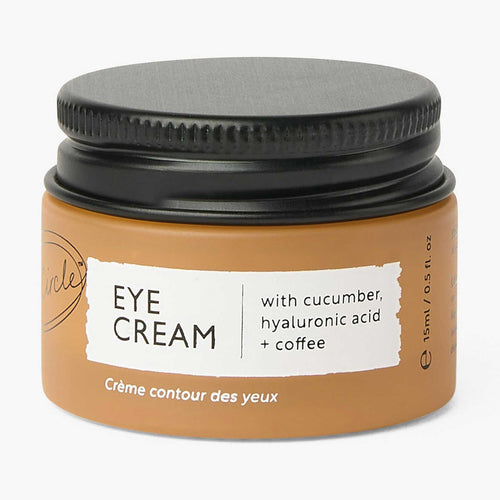
Coffee is one of the most useful upcycled ingredients in skincare. The ground particles act as a gentle physical exfoliant that buffs away dead surface skin and smooths texture, which is why a coffee face scrub or a coffee body scrub leaves skin feeling polished. The caffeine carried in those grounds is the reason caffeine appears in so many eye products: it can help reduce the look of puffiness and dark circles when applied around the eye, as in our eye cream with hyaluronic acid and coffee. None of this is unique to rescued coffee. It is simply coffee, used well. UpCircle uses Arabica grounds rescued from London cafes.
Antioxidant rich plant oils
Rosehip oil is a source of provitamin A (Vitamin A), which is why it is valued for supporting skin regeneration and the look of an even tone. Paired with antioxidant rich jojoba oil, it is the kind of nourishing active formulators have used for years, and it sits alongside rescued coffee in our face scrub. The point is consistent: the oil does the same job whether it was sourced conventionally or recovered from a surplus stream. What matters is that the active is named, present and doing real work.
Vitamin E and other rescued antioxidants
Vitamin E is an antioxidant valued for nourishing and protecting the skin. Antioxidant compounds are abundant in the parts of fruits, seeds and grains that food production discards, which makes them strong candidates for upcycling. A face moisturiser with vitamin E, enriched with cocoa butter to nourish and argan to protect, delivers that benefit in a fast absorbing cream suitable for all skin types. If you want to get fluent in reading any label this way, our guide to how to read a cosmetics ingredient list is the place to start.
Upcycled vs conventional vs natural: a quick comparison
The labels on the front of a product can blur together, so here is how they actually differ.
| What you see | Where the ingredient comes from | What drives the result | Footprint | What to check |
|---|---|---|---|---|
| Upcycled | Rescued surplus or by-product from another industry | The named active (caffeine, fatty acids, antioxidants) | Usually lower, the material already existed | Is there a real active, and how high on the list is it? |
| Conventional | Grown or extracted specifically for cosmetics | The named active | Varies, often higher for water and land | Same checks as any product |
| Natural | Any plant or mineral source | Not guaranteed, "natural" says nothing about efficacy | Varies widely | Whether "natural" is hiding a thin formula |
The takeaway from the table is simple. Upcycled and conventional ingredients compete on the same efficacy terms, while "natural" on its own is a marketing word rather than a performance one. We unpack that distinction further in natural vs organic vs clean beauty.
How to spot a genuinely effective upcycled product
Look past the word "upcycled" and read the formula. A product that is serious about results will name its active, not just its origin story. Three quick checks separate the genuine from the green sounding.
First, find the active. If a brand talks about rescued coffee, the ingredient list should show coffee, caffeine or a coffee extract, and ideally explain what it does. Second, check the position. Ingredients are listed in order of concentration, so an active near the top is doing more work than one near the bottom. Third, look for honest, specific claims. Wording like "helps reduce the look of puffiness" is grounded. Wording like "miracle" is not, and is a sign to be cautious. If you want to see how a formulator makes these calls, read a product developer's view on how upcycled ingredients are chosen.
Are there downsides to upcycled ingredients?
The honest answer is that upcycling brings its own challenges, none of which affect how the finished active works on your skin. Supply can be less predictable, because it depends on another industry's surplus rather than a dedicated crop. Refining a rescued material to cosmetic grade takes careful processing to ensure purity and consistency. And because "upcycled" has become a popular word, some products lean on it for marketing without putting a meaningful active behind it. That last point is exactly why the checks above matter. Done properly, upcycling gives you a proven ingredient with a smaller footprint. Done lazily, it gives you a story. The difference is in the formula, not the origin, which is the test we apply in our buyer's guide to spotting a genuinely circular skincare brand.
Why UpCircle builds around rescued ingredients
UpCircle is a certified B Corp built on a simple idea: powerful skincare ingredients are being thrown away every day, and skin does not care whether an active was rescued or bought new. We started by collecting spent coffee grounds from cafes and turning them into face and body scrubs, and we now rescue a range of by-product ingredients across our range. Every efficacy claim we make is tied to the specific active in the formula and grounded in ingredient science rather than hype. Our peptide serum is one example of that standard in practice: after rigorous clinical testing it was proven to improve skin elasticity by 29% over 14 days, and it sits inside The Discovery Set so you can try it for yourself. You can read more about what being a B Corp means for us and hold every brand using the word "upcycled" to the same standard.
Which upcycled ingredient suits your skin?
The best upcycled active for you depends on your skin type and what you want it to do, exactly as it would with conventional ingredients. Here is a simple way to match them.
If your skin is dull or uneven in texture, a physical exfoliant is the place to start. Rescued coffee grounds in a coffee face scrub buff away dead surface cells and leave skin looking brighter and feeling smoother. Use it two to three times a week rather than daily, so you polish without overdoing it.
If your concern is tired looking eyes, caffeine is the active to look for. An eye cream with hyaluronic acid and coffee pairs rescued caffeine, which helps reduce the look of puffiness and dark circles, with hyaluronic acid to hydrate and plump a delicate area. Its maple bark extract has also been clinically shown to reduce dry skin around the eye.
If your skin feels dry or the barrier seems stressed, reach for nourishing, antioxidant rich ingredients. A face moisturiser with vitamin E nourishes and soothes with cocoa butter and argan, while antioxidant rich plant oils add the essential fatty acids that soften and comfort.
If your skin is sensitive, the rule is the same as for any ingredient: introduce one product at a time, patch test first, and favour gentler formats. Upcycling does not make an ingredient harsher or milder. The formula around it is what determines how sensitive skin will respond. To explore the full set of options, browse the skincare collection.
Frequently asked questions
Are upcycled skincare ingredients safe?
Yes. Upcycled ingredients go through the same cosmetic grade refining and safety standards as conventional ones. Rescuing a material does not lower the bar it has to clear before it reaches your skin.
Do upcycled ingredients work as well as regular ones?
Yes, because efficacy comes from the active molecule, not its origin. Rescued caffeine, fatty acids and antioxidants behave like their conventionally sourced equivalents.
Is upcycled the same as natural or organic?
No. Natural and organic describe how an ingredient was grown. Upcycled describes that it was rescued from surplus. A single ingredient can be both natural and upcycled, but the words answer different questions.
Is upcycled skincare better for the environment?
Generally yes. Using a material that already exists avoids the land, water and energy needed to grow or produce a new one, and keeps usable ingredients out of waste streams.
How can I tell if an upcycled product is actually effective?
Find the named active in the ingredient list, check it sits high enough to matter, and look for specific, honest claims rather than vague hero words.
What upcycled ingredients does UpCircle use?
We are best known for rescued Arabica coffee grounds in our face and body scrubs, alongside other by-product ingredients used across our skincare range.
The bottom line
Upcycled ingredients are effective when there is a proven active behind them, which is true of any ingredient, rescued or not. The origin is a reason to feel good about your choice. The active is the reason it works. If you want to see the idea in practice, a good place to start is our most loved rescued ingredient hero, the coffee face scrub. To go further, explore the wider skincare collection, or try three of our actives together in The Discovery Set. Effective skincare and a smaller footprint are not a trade off, they are a formulation choice.