






Skincare is vegan when it contains no animal-derived ingredients and is not tested on animals, from the formula itself right through to the way it is made. That sounds simple, but the detail matters, because plenty of everyday skincare ingredients quietly come from animals, and some labels promise less than they appear to. This guide explains what makes a product vegan, the difference between vegan and cruelty-free, the animal-derived ingredients to watch for, and exactly how to check whether your skincare measures up.
Key takeaways
- Vegan skincare contains no animal-derived ingredients and involves no animal testing at any stage.
- Vegan and cruelty-free are not the same: a product can be one without being the other, so look for both.
- Common non-vegan ingredients include beeswax, honey, lanolin, carmine, collagen and some forms of squalene.
- Plant-based alternatives now match or beat their animal-derived counterparts for performance.
- The reliable way to check is to read the ingredient list and look for recognised vegan certification.
What makes skincare vegan?
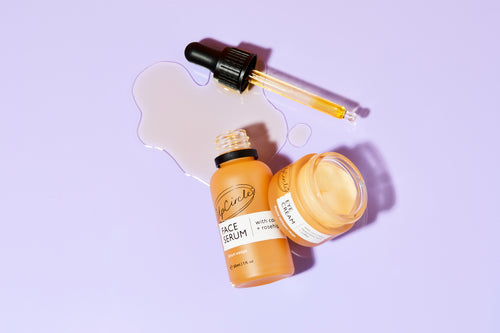
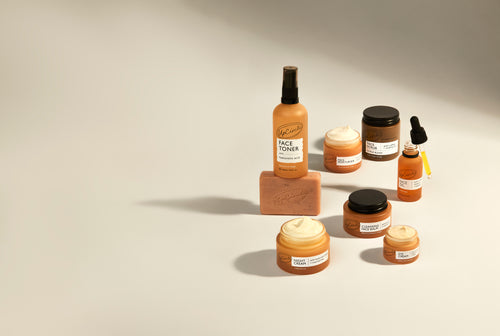
A skincare product is vegan when none of its ingredients come from an animal and no animal testing is involved in creating it. That covers the obvious actives and oils, but also the small supporting ingredients, emulsifiers, waxes, colourants and the like, where animal-derived materials most often hide. Every product in our range, including our hero Face Moisturiser with Vitamin E, is formulated to be vegan and cruelty-free, using plant-derived and mineral ingredients instead.
It helps to separate two ideas that often get blurred. One is what the product is made of. The other is how it was tested. Truly vegan skincare has to satisfy both: plant or mineral ingredients throughout, and no animal testing anywhere along the line.
Vegan versus cruelty-free: what is the difference?
Cruelty-free means a product was not tested on animals, while vegan means it contains no animal-derived ingredients. They overlap, but one does not guarantee the other. A cruelty-free moisturiser could still contain beeswax or honey, which makes it not vegan. A product could in theory use only plant ingredients but be sold in a market that requires animal testing, which would undermine a cruelty-free claim. The brands you can rely on are the ones that are both, and say so clearly.
This is why we treat the two as a pair. Being a certified B Corp and a vegan brand sit together for us: it is about the whole picture, from ingredient sourcing to testing to packaging. You can read more about that standard on our B Corp page and in our post on what makes UpCircle a B Corp.
Which common skincare ingredients are not vegan?
The surest way to spot non-vegan skincare is to learn the handful of animal-derived ingredients that turn up most often. None of these are hidden in obscure products; they appear in mainstream skincare all the time.
The usual suspects
Watch for beeswax (often listed as cera alba), honey and propolis, all from bees. Lanolin is derived from wool. Carmine, sometimes called cochineal or CI 75470, is a red colourant made from insects. Collagen and elastin in conventional skincare are typically animal-derived. Keratin often comes from animal hooves, horns or feathers. Squalene, spelled with an e, can be sourced from shark liver, although the plant version, squalane spelled with an a, is widely used and vegan. Guanine, used for shimmer, can come from fish scales. Some glycerine and stearic acid can be animal-derived, although plant versions are common.
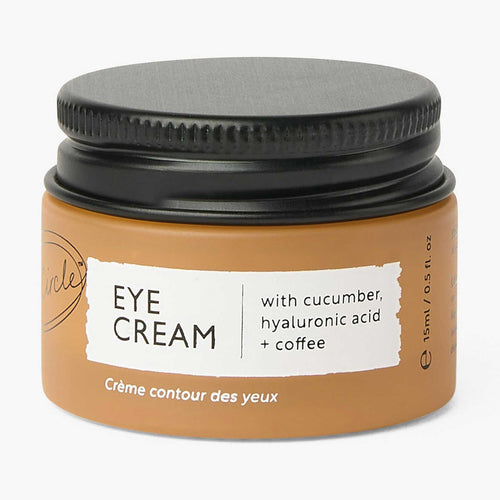
The encouraging part is that every one of these has a capable plant or mineral alternative. Plant butters and waxes replace beeswax and lanolin, plant pigments and minerals replace carmine, and plant actives deliver the hydration and antioxidant benefits people look to collagen for. Our Eye Cream with Hyaluronic Acid and Coffee and Hair Serum with Fermented Rice Water and Baobab are examples of plant-led formulas doing the work without anything animal-derived.
Vegan and non-vegan ingredients at a glance
| Often non-vegan | Where it comes from | Vegan alternative |
|---|---|---|
| Beeswax (cera alba) | Bees | Plant waxes such as candelilla |
| Lanolin | Wool | Plant oils and butters |
| Carmine (CI 75470) | Insects | Plant and mineral pigments |
| Collagen | Animal tissue | Plant peptides and hyaluronic acid |
| Squalene | Sometimes shark liver | Plant-derived squalane |
The lesson from the table is that nothing is lost by going vegan. For every animal-derived ingredient there is a plant or mineral version that performs as well, which is why a vegan formula is a sourcing choice rather than a compromise on results.
Do vegan ingredients work as well?
Yes. The effectiveness of a skincare ingredient depends on the molecule and the formula, not on whether it came from a plant or an animal. Hyaluronic acid hydrates the same way whatever its source, plant oils deliver fatty acids and antioxidants that soften and protect, and mineral ingredients sit comfortably in well-made vegan formulas. Where people sometimes worry is collagen, but topical animal collagen molecules are large and largely sit on the surface; plant peptides and humectants like hyaluronic acid are a sensible vegan route to supporting the look of plump, hydrated skin. We dig into ingredient quality more in our post on why we use rescued ingredients.
How to check if your skincare is vegan
Checking a product takes two quick steps: read the ingredient list, then look for certification. Start by scanning the INCI list on the back of the pack for the animal-derived ingredients above. If you see beeswax, lanolin, carmine, collagen or the others, it is not vegan. If you are unsure about a name, it is worth a quick look, because some ingredients such as glycerine can be either.
Look for recognised certification
The fastest signal is a recognised vegan mark, such as the registered trademark from a vegan certification body, often alongside a cruelty-free logo. Certification means a third party has checked the ingredients and the testing claims, so you are not relying on a brand's word alone. Be a little wary of vague phrases like plant-powered with no certification behind them, and remember that natural does not mean vegan, since some natural ingredients are animal-derived. For a deeper look at how we choose what goes in, see our ingredients page, and browse our vegan and plastic-free moisturisers to see it in practice.
Reading an ingredient list: a worked example
Once you know what to look for, checking a label takes under a minute. Turn the product over and find the INCI list, which sets out every ingredient by its standardised name. Scan it for the animal-derived terms: cera alba for beeswax, lanolin, carmine or CI 75470, collagen, keratin, and squalene spelled with an e. If none appear, that is a good sign. If you see one, the product is not vegan, however natural or gentle it claims to be elsewhere on the pack.
A couple of names need a second look because they can go either way. Glycerin and stearic acid are often plant-derived but can be animal-derived, so on an uncertified product they are worth checking. Squalane spelled with an a is almost always the plant version and is vegan, despite looking almost identical to the shark-derived squalene. This is exactly why certification is so useful: it does the cross-checking for you, so you are not left parsing every ambiguous ingredient name yourself.
Common myths about vegan skincare
A few persistent myths put people off, and all of them fall apart on closer inspection.
Myth: vegan skincare is less effective
As covered above, effectiveness comes from the molecule and the formula, not the source. Plant and mineral ingredients deliver the same hydration, antioxidant and soothing benefits as their animal-derived equivalents.
Myth: natural and vegan mean the same thing
They do not. Beeswax, honey and lanolin are all natural and none are vegan. Natural describes origin in nature; vegan describes the absence of anything animal-derived.
Myth: if it is cruelty-free it must be vegan
Cruelty-free only addresses testing, not ingredients. A cruelty-free product can still contain beeswax or carmine, which is why the two claims need to be checked together rather than treated as one.
Why choose vegan skincare?
People choose vegan skincare for animal welfare, for the environment, and increasingly for simple ingredient transparency. Avoiding animal-derived ingredients sidesteps the welfare questions around materials like carmine and lanolin, and plant-based sourcing often carries a lighter footprint. For many, it is also about knowing what is in a product and where it comes from, which sits naturally with a wider interest in how skincare is made. If that is you, our Veganuary guide and even our vegan dinner party post show the same thinking beyond the bathroom shelf.
How vegan formulating connects to a lighter footprint
Choosing plant and mineral ingredients over animal-derived ones often goes hand in hand with a smaller environmental footprint, though the two are separate ideas worth keeping distinct. Animal-derived materials can carry the land, water and emissions cost of raising or harvesting the animals behind them, while well-chosen plant ingredients, and especially rescued ones, can sidestep a good deal of that. At UpCircle this overlap is deliberate. Many of our plant actives are upcycled from by-products that would otherwise be discarded, such as the spent coffee grounds in our scrubs or the olive stones milled into our face mask, so the same formula that avoids animal ingredients also makes use of materials already in the system. That said, vegan does not automatically mean low impact, and we would rather be precise than overclaim: a product can be vegan and still be poorly sourced. The brands worth trusting are the ones that take both the ingredient question and the footprint question seriously, and can show their working on each. You can see how we approach sourcing and packaging together on our packaging page.
Frequently asked questions
What makes a skincare product vegan?
It contains no animal-derived ingredients and involves no animal testing at any stage of its production. Both conditions need to be met.
Is vegan skincare the same as cruelty-free?
No. Cruelty-free means no animal testing, vegan means no animal ingredients. A product can be one without the other, so look for both claims together.
What ingredients stop skincare being vegan?
Common ones include beeswax, honey, lanolin, carmine, collagen, keratin, shark-derived squalene and guanine. Each has a plant or mineral alternative.
Does natural skincare mean vegan?
No. Natural describes where an ingredient grows or is found, not whether it is animal-derived. Beeswax and honey are natural but not vegan.
Do vegan products work as well as non-vegan ones?
Yes. Effectiveness comes from the ingredient and the formula, not its origin. Plant and mineral alternatives match their animal-derived counterparts.
How can I be sure a product is vegan?
Read the ingredient list for animal-derived names and look for recognised vegan certification, ideally alongside a cruelty-free mark.
Why trust UpCircle on this
UpCircle is a certified B Corp, and our entire range is vegan and cruelty-free, built on plant-derived and rescued ingredients rather than animal-derived ones. We hold ourselves to evidence and transparency: we name what is in our products, explain where ingredients come from, and avoid claims we cannot stand behind. That is the same standard we think every brand using the word vegan should meet. You can explore how we source on our ingredients page, read our story on our story page, and see the breadth of the range across our facial skincare collection.
The bottom line
Skincare is vegan when it contains no animal-derived ingredients and involves no animal testing, and the only reliable way to know is to read the label and look for certification rather than trust a vague claim. The good news is that plant and mineral alternatives perform just as well, so choosing vegan costs you nothing in results. To see what a fully vegan routine looks like, start with our Face Moisturiser with Vitamin E, explore The Discovery Set to try a few steps, and browse the wider vegan moisturiser range. For independent guidance on certification, the Vegan Society and Cruelty Free International set out the standards worth looking for.