





While we have not yet completed official pregnancy and breastfeeding compatibility testing across our range, this process is currently underway. In the meantime, we have carried out extensive internal research and consulted with our professional formulators to help guide customers as transparently and responsibly as possible.
That said, recommendations surrounding pregnancy and breastfeeding can vary between healthcare professionals, and we are not medical experts. For this reason, we are unable to guarantee whether any product is suitable for use during pregnancy or breastfeeding, and the decision to use a product ultimately remains at your own discretion.
If you have any concerns, we would always recommend discussing the full ingredient list - available on each product page - with your GP, midwife, consultant or other qualified healthcare professional for personalised advice and a second opinion.
We also encourage customers to carry out their own research using trusted resources such as Medicines in Pregnancy.
We hope the information provided below helps guide your choice and offers reassurance as you make the decision that feels right for you.
Congratulations on your pregnancy! Whether you’re blooming or blemishing, pregnancy can be a time when you need to give extra thought to your skincare.
Here we’ll take you through the ideal skincare routine for pregnancy, ensuring you can feel and look your best while getting on with the important job of growing an entirely new human. We’ll also take you through some advice on what ingredients to avoid during pregnancy, so that you can make the best decisions for you.
Taking care of your skin during pregnancy
Pregnancy is exciting and a time of anticipation. But it’s also a time of increased worry. It can feel that everyone has an opinion on what you should do, or shouldn’t do, and information can feel overwhelming and conflicting.
We’re approaching it differently. First, we’re going to explain what goes on with your skin during pregnancy. Next we’ll explain the ingredients you should avoid. Finally, we’ll put this together into a simple-to-follow skincare routine for pregnancy.
What happens to your skin when you are pregnant?
There are two big reasons why your skin may take on a different persona during pregnancy: hormones and blood flow. For some, this leads to the oft cited ‘pregnancy glow’ and for others it leads to outbreaks or other changes. During pregnancy, it is normal to experience:
‘Worse’ or ‘better’ skin
Some women feel their skin is better during pregnancy, some feel it is worse. Both are normal. Sometimes you may feel it’s better and sometimes worse!
Pigmentation changes
Some areas of skin may darken. This is due to hormone changes. You may experience chloasma (dark patches on your face) or linea nigra (a dark line below your navel). Avoid sun exposure and rest assured that pigmentation changes usually fade after birth. New moles, or changes to existing moles, are also common. If you’re concerned, get a GP or dermatologist to check them for you.
Acne
Pregnancy acne is real! We know it’s troublesome, so we’ve written a whole guide to pregnancy acne.
Varicose veins
As your womb grows, and the baby with it, greater pressure is placed on the veins in your legs. Add in the hormones and varicose veins may become noticeable. They often improve within the first year of birth.
Stretch marks
During the second half of pregnancy, your body begins to change shape in preparation for birth and breastfeeding, and of course, making room for your growing baby. Stretch marks on your breasts, bump, hips and thighs are very common.
Skin tags
Due to your changing shape, and hormones stimulating outer-layer skin growth, skin tags in high-friction areas aren’t unusual in later stages of pregnancy.
Knowing how to care for your skin during pregnancy will help you to feel more in control.
Skincare products to avoid during pregnancy
A good place to start is to know which skincare ingredients and products you should avoid during pregnancy.
An excellent starting point is to generally choose natural and vegan skincare which is SLS, SLEs, palm oil, silicone, paraben, mineral oil, parfum and sulfate free. At UpCircle we pride ourselves on creating products that are natural and certified organic where possible.
Within natural skincare there are still a few ingredients that it is best to avoid. These include:
-
Retinol: There are some studies which show that a high amount of Vitamin A (retinol) can be harmful to an unborn baby. Retinol in skincare is included for its anti-ageing benefits. Retinoids in skincare are generally considered to be much safer than ingesting high amounts of Vitamin A, so don’t worry if you’ve used them accidentally, but generally speaking it’s best to avoid them during pregnancy.
Our Night Cream contains pro-retinol, a more gentle form of Vitamin A, which is lower risk during pregnancy. You may choose to avoid all topical vitamin A derivatives during pregnancy to be cautious, but pro-retinol can be considered low risk in topical skincare at low percentages, like our Night Cream.
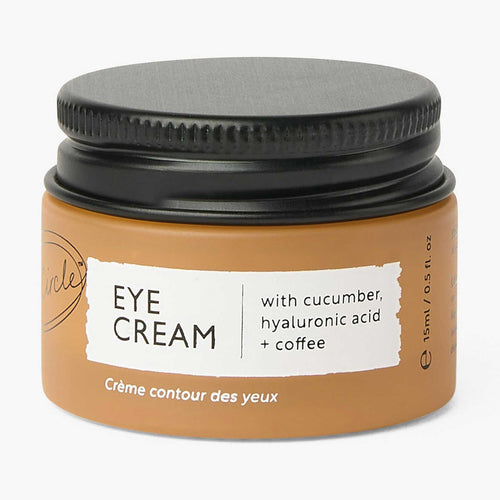
- Salicylic acid: Again, high doses of salicylic acid in its oral form aren’t recommended in pregnancy. We use salicylic acid in our moisturiser, eye cream and toner, but in very low amounts, and it is topical. These amounts are deemed safe. Salicylic acid can be used in much stronger concentrations in professional peel treatments - these should be avoided during pregnancy.
- Some essential oils: The vast majority of essential oils are deemed safe (and indeed welcome!) during pregnancy. However, the ones recommended to avoid are: cinnamon, clove, rosemary, ginger and clary sage. Our recommended routine below only includes products which don’t contain these essential oils.
Many pregnant women prefer to opt for natural mineral sunscreens which don’t contain things like hydroquinone. While other sunscreen ingredients, like oxybenzone, are considered safe during pregnancy, many feel the jury is still out, and that many of these ingredients are increasingly being known to be harmful to the environment and ecological systems.
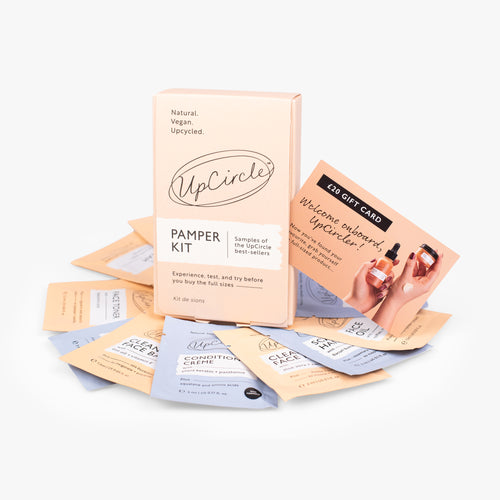
Everyone’s skin is unique and it’ll be unique again to you during pregnancy. Even if a product is safe, it may still cause you irritation. If you experience irritation, then stop using the product immediately. You can try out lots of different UpCircle products to see how your skin reacts by choosing the Pamper Kit.
Skincare routine for pregnancy
The good news is that, whatever your skin does during pregnancy, your routine needn’t be complicated. Focus on:
Daily cleansing, morning and night
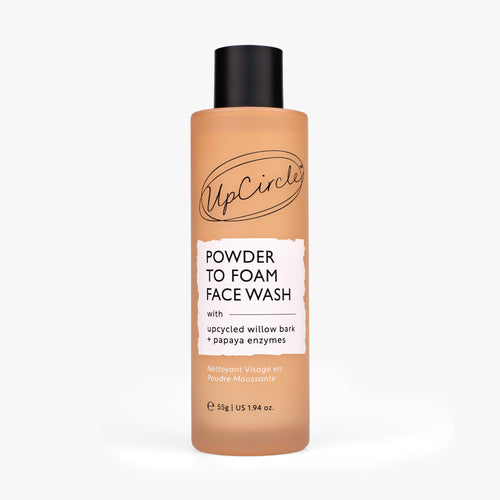
Our Cleansing Face Milk and Powder To Foam Face Wash are excellent pregnancy-friendly cleansers. You may also like to pamper yourself a few times a week using the Clarifying Face Mask with Olive Powder.
Gentle moisturising
Our Night Cream is a wonderful option with no essential oils and a safe potency of pro-retinol (a more gentle form of Vitamin A). However, if you want to avoid pro-retinol, and all derivatives of Vitamin A, completely, then we recommend using the Organic Face Oil with Coffee Extract. It's 100% natural and 98% organic. It will nourish and moisturise your skin and is wonderfully rich in Vitamin C, without leaving your skin oily. It'll bring out that pregnancy glow!
Protect the skin from harmful UV rays during the day
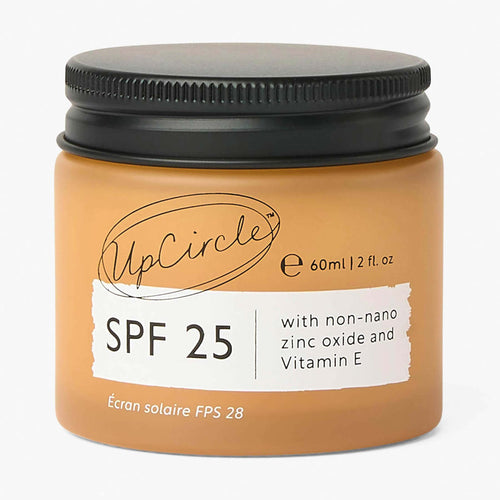
Lastly, it's time to apply SPF (yes, even in the winter too!). It is extremely important to protect your skin from high UV rays especially during the summer and it's vital not to skip this step when you're pregnant. Our Mineral SPF is reef-safe and dermatologically approved. It provides an essential physical defence against both UVA and UVB rays.
UpCircle skincare for pregnancy
All our products are made with natural ingredients to make them as kind to you as they are to the planet.
We hope you enjoy using your pregnancy as an opportunity to pamper yourself and enjoy looking after your skin. Take a look at our full range of vegan skincare products to find what works for you and your skin.

"Your body scrub is amazing! My stretch marks have faded after using it twice a week!"