





Transitioning your skincare routine for summer means lightening your layers, prioritising sun protection, and adjusting hydration to match warmer, more humid weather. You do not need a whole new shelf of products. The shift is mostly about swapping heavier textures for lighter ones, making daily broad-spectrum SPF non-negotiable, and tweaking how often you exfoliate. This guide walks through the changes step by step, so your routine works with the season rather than against it.
Key takeaways
- Summer skin usually needs lighter textures, not less care. Swap rich creams for fast-absorbing, lightweight hydration.
- Daily broad-spectrum SPF is the single most important summer step. A mineral SPF with zinc oxide protects against UVA and UVB.
- Warmer, more humid weather can mean more oil and sweat, so a gentle cleanse and measured exfoliation help keep skin clear.
- Antioxidants in the morning support skin against environmental stress like pollution and free radicals.
- Transition gradually. Change one step at a time as the weather warms, and listen to how your skin actually behaves.
Why your skincare routine should change in summer
Your skin behaves differently in summer, so a routine built for cold, dry winter air can feel heavy and pore-clogging once the weather warms up. Higher temperatures and humidity tend to increase oil and sweat, while longer days mean more sun exposure. A winter routine often leans on rich, occlusive creams to fight dryness and central heating, and those same textures can feel greasy in July. The goal of a summer transition is not to strip your routine back to nothing, but to match the texture and emphasis to the conditions, lighter hydration, stronger sun protection, and a clean base. For more on how skin shifts across the year, our guide to seasonal skin changes is a useful companion, and if you want a broader seasonal overview our summer skincare routine guide covers the essentials.
Step one: lighten your cleanse
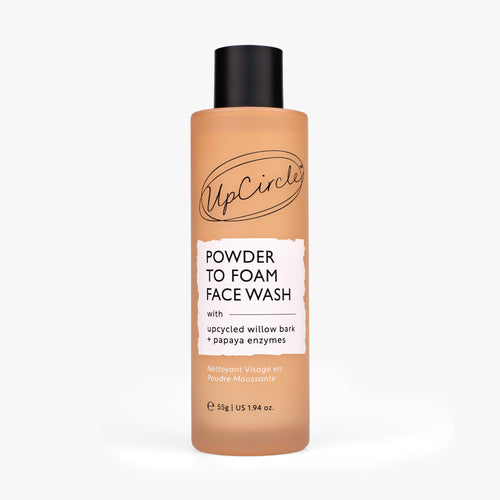
Start the transition at your cleanse, because summer skin often produces more oil and sweat that a lightweight cleanser handles well. A balm is still useful in the evening to remove SPF and makeup, but you may want a lighter second cleanse that leaves skin fresh rather than rich. A gentle, pH-balanced wash removes the day's sunscreen, sweat, and build-up without stripping, which matters more in summer when you are cleansing off more. If you wear daily SPF, an evening double cleanse is worth the extra minute, and our guide on double cleansing explains how to do it properly so nothing is left behind.
Step two: swap heavy creams for lightweight hydration
The biggest summer swap is texture. Trade thick, occlusive winter creams for a fast-absorbing, lightweight moisturiser that hydrates without sitting heavy on the skin.
A moisturiser that absorbs fast
Our Face Moisturiser with Vitamin E is a deeply nourishing yet fast-absorbing cream that provides moisture, balance, and protection without feeling heavy or greasy, which makes it well suited to warmer weather. It is suitable for all skin types, including sensitive skin. Even oily skin needs hydration in summer, because skipping moisturiser can prompt skin to produce more oil, not less. If you are unclear on the difference, our guide on hydrating versus moisturising is worth a read.
Keep your treatment step working
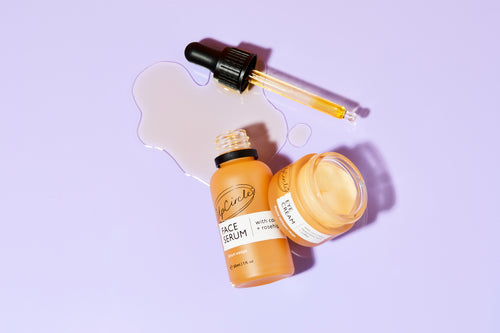
You can keep a serum in summer, just apply it under lighter layers. Our Peptide Serum with Custard Apple and Blood Orange hydrates, brightens, and supports firmness, and has been clinically proven to improve skin elasticity by 29% over 14 days. Its Vitamin C and blood orange water help with brightness and even tone, which pairs naturally with the sun-aware focus of a summer routine.
Step three: make SPF non-negotiable
If you change only one thing for summer, make it daily broad-spectrum sun protection, because it is the step dermatologists rate most highly for long-term skin health. Broad-spectrum means a sunscreen protects against both UVA, which is associated with the look of premature ageing, and UVB, which causes burning. A mineral, or physical, sunscreen uses zinc oxide to do this. For independent guidance on choosing and applying sunscreen, the NHS and the British Association of Dermatologists are reliable, non-commercial sources.
A lightweight mineral SPF
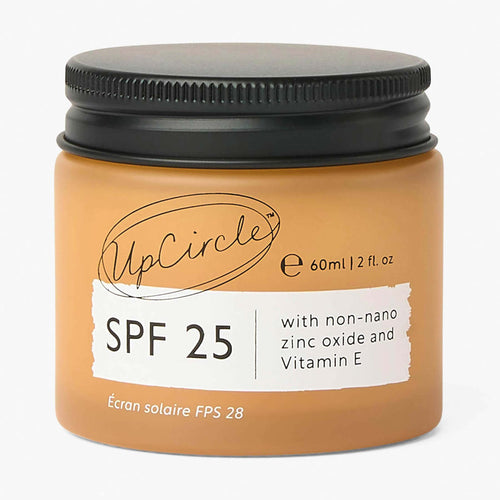
Our SPF 25 Mineral Sunscreen is a lightweight, broad-spectrum formula made with high-quality non-nano zinc oxide, suitable for all skin types, including sensitive and acne-prone skin. It is designed to hydrate and protect without leaving a white cast, and the ultra-hydrating cream absorbs within around five minutes for a natural finish. The hero ingredient is upcycled raspberry seed oil, high in antioxidant Vitamins A and E, supported by sunflower oil rich in fatty acids and humectant glycerin that helps seal in hydration, while skin-soothing aloe vera calms the skin. If you are deciding between filter types, our explainer on chemical versus mineral sunscreen lays out the differences, and our SPF FAQs answer the common questions on how much to use and how often to reapply.
Step four: exfoliate and add antioxidants, carefully
Measured exfoliation and a morning antioxidant round out a summer routine. With more oil, sweat, and sunscreen on the skin, a gentle exfoliation once or twice a week helps keep pores clear and texture smooth. Our Coffee Face Scrub, made with upcycled Arabica coffee grounds, buffs away dull, dead surface cells while shea butter and rosehip oil nourish, leaving a brighter looking finish. Do not overdo it, because over-exfoliated skin is more vulnerable to the sun. For oilier summer skin, a weekly Kaolin Clay Face Mask gently draws out impurities and helps minimise the look of pores without causing redness. Antioxidants like the Vitamins A and E in raspberry seed oil help support skin against environmental stress such as pollution and free radicals, which is why they pair so well with daytime sun protection. Our guide on raspberry oil for skin goes deeper on that hero ingredient.
Winter routine vs summer routine: what changes
Here is a simple side-by-side of how a routine shifts as the seasons turn, so you can see what to adjust.
| Step | Winter approach | Summer approach |
|---|---|---|
| Cleanse | Rich, comforting cleanse | Lighter cleanse, evening double cleanse for SPF |
| Moisturise | Rich, occlusive cream | Lightweight, fast-absorbing cream |
| Sun protection | Daily, often lower exposure | Daily and essential, reapply when out |
| Exfoliate | As needed for dullness | Gentle, once or twice a week, not before sun |
| Treat | Barrier and richness focus | Antioxidants and brightness focus |
How to adjust your summer routine by skin type
The summer transition looks slightly different depending on your skin type, although the core principles, lighter layers and stronger sun protection, stay the same for everyone.
Oily and combination skin
Lean into lightweight textures and a measured weekly clay mask to manage excess oil, but keep hydrating. The instinct to skip moisturiser when skin feels greasy usually backfires. A fast-absorbing moisturiser and a mineral SPF that settles without a heavy finish are your summer staples.
Dry skin
Keep hydration up, just in a lighter form. Layer a hydrating serum under a lightweight moisturiser rather than reaching for a heavy winter cream, so skin stays comfortable without feeling occluded in the heat.
Sensitive skin
A mineral SPF with non-nano zinc oxide and soothing aloe vera is a gentle choice for reactive skin, since physical filters sit on the surface rather than absorbing. Introduce any seasonal changes slowly and patch test, so you can isolate how your skin responds to each one.
Acne-prone skin
Choose non-comedogenic, lightweight formulas and a zinc oxide SPF that is suitable for acne-prone skin, like our SPF 25. Keep exfoliation gentle and avoid over-stripping, because a compromised barrier can make breakouts worse, not better.
How to care for your skin after a day in the sun
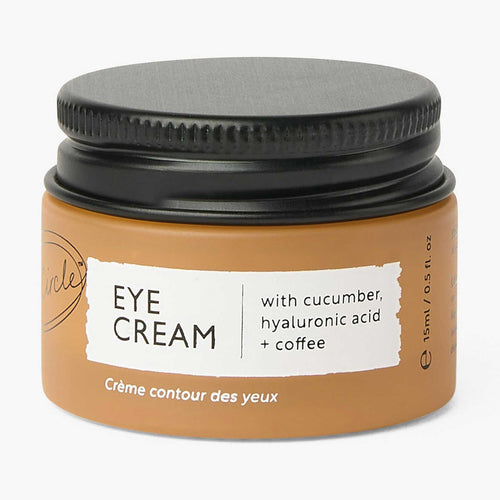
After time outdoors, the focus shifts from protection to rehydration and comfort. Cleanse gently in the evening to remove sunscreen, sweat, and any salt or chlorine, then replenish moisture while skin is still slightly damp. Ingredients like aloe vera and glycerin help soothe and rehydrate, which is why our Face Moisturiser with Vitamin E is a comforting evening step after sun exposure. A few drops of the brightening Peptide Serum underneath supports tone and hydration, and for tired-looking eyes after a bright day, the Eye Cream with Hyaluronic Acid and Coffee helps reduce the look of puffiness. If your skin is actually burnt or irritated, treat that as a skin-health matter and seek proper advice rather than relying on cosmetics.
Common summer skincare mistakes to avoid
The most common summer mistake is dropping moisturiser altogether because skin feels oilier. Skipping hydration can backfire, prompting skin to overproduce oil, so the fix is a lighter texture rather than nothing at all. The second mistake is treating SPF as a one-time morning step, when protection fades through the day and needs reapplying if you are outdoors. A third is over-exfoliating in pursuit of a summer glow, which can leave skin sensitised and more reactive to the sun. And a fourth is changing everything at once. Transition gradually, one step at a time, and watch how your skin actually responds before the next swap. If you are layering several products, our guide on how to layer skincare correctly keeps the order right.
Frequently asked questions
How should I change my skincare routine for summer?
Lighten your textures, prioritise daily broad-spectrum SPF, and adjust hydration to match warmer weather. Swap heavy winter creams for a fast-absorbing moisturiser, keep a gentle cleanse to remove sweat and sunscreen, and exfoliate gently rather than aggressively.
Do I still need moisturiser in summer?
Yes. All skin types need hydration year round, including oily skin. The change is texture, not whether you moisturise. A lightweight, fast-absorbing cream hydrates without feeling heavy, and skipping moisturiser can actually prompt skin to produce more oil.
What SPF should I use in summer?
Use a daily broad-spectrum sunscreen that protects against both UVA and UVB. A mineral SPF with zinc oxide, like our SPF 25 Mineral Sunscreen, suits all skin types including sensitive and acne-prone skin, and reapplication matters when you are spending time outdoors.
Should I exfoliate more in summer?
Exfoliate gently and not excessively. More oil, sweat, and sunscreen can mean skin benefits from a gentle exfoliation once or twice a week, but over-exfoliating leaves skin more vulnerable to the sun, so keep it measured and avoid exfoliating right before sun exposure.
Can I use the same products all year?
You can keep many of your products and simply adjust how you use them, applying lighter layers and leaning more on SPF and antioxidants in summer. The transition is often about emphasis and texture rather than replacing everything.
How do I stop my skin looking shiny in summer?
Use a lightweight moisturiser, a gentle weekly clay mask to manage excess oil, and a mineral SPF that absorbs without a heavy finish. Keeping skin hydrated, rather than stripping it, helps balance oil production over time.
Why UpCircle for your summer routine
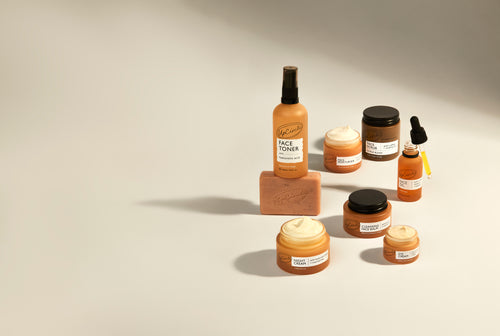
UpCircle is a certified B Corp that makes effective skincare from rescued ingredients. Our summer essentials are built on the same principle as the rest of the range, that the active matters more than the marketing. The SPF 25 Mineral Sunscreen uses upcycled raspberry seed oil for its antioxidant Vitamins A and E, the Coffee Face Scrub is made entirely from Arabica grounds rescued from London cafes, and the Peptide Serum has been clinically proven to improve elasticity by 29% over 14 days. Every claim is tied to the specific ingredient in the formula, grounded in ingredient science or clinical testing, and our packaging is recyclable, in glass, aluminium, and card. That is the standard we hold ourselves to, summer and all year.
Refresh your routine for summer
For more seasonal tips, including a hot-weather plan, read our heatwave skincare survival guide. When you are ready to make the swaps, explore the full skincare range to find lighter textures for the season, or learn what goes into each formula on our B Corp page. And if you do one thing today, make it sun protection. Our SPF 25 Mineral Sunscreen is the easiest, highest-impact addition to any summer routine.