








Jump to: Why dark circles happen · The four types of dark circles · What to look for in an eye cream · How caffeine actually works · How to use eye cream for best results · How to choose by cause · When you'll see results · Common mistakes · Why we built ours this way · FAQ
If your under-eyes have looked tired since you can remember, the first thing worth saying is that dark circles are mostly normal. The skin under the eye is the thinnest on the face, the blood vessels sitting underneath are the closest to the surface anywhere on your body, and the genetics that determine how light or pigmented that skin is do most of the heavy lifting. The good news is that the right eye cream can genuinely help for some types of dark circles. The honest news is that no cream will fix all of them, and knowing which kind you have is the difference between a product that works and one that doesn't.
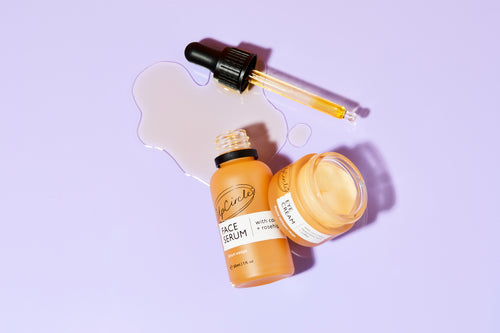
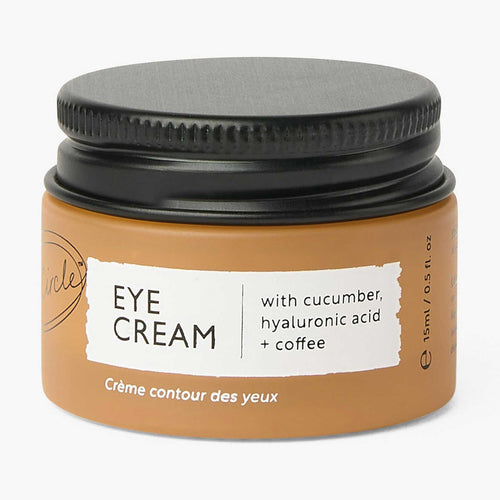
This guide is the one we'd write for a friend asking for an honest recommendation. We'll cover what's actually causing your circles, the ingredients with real evidence behind them, how long realistic results take, and where our own Eye Cream with Hyaluronic Acid + Coffee fits in (and where it doesn't).
Key takeaways
- Dark circles fall into four types: vascular (blue or purple), pigment (brown), structural (shadow from hollowness), and lifestyle (fluid, tiredness). The right eye cream depends on which kind you have.
- The two ingredients with the strongest evidence for under-eye brightening are caffeine, which constricts blood vessels and reduces fluid pooling, and hyaluronic acid, which plumps the thin under-eye skin so circles look less prominent.
- Realistic results: visible reduction in puffiness in around 7 to 14 days, visible brightening of vascular darkness in 4 to 6 weeks, no useful effect at all on genetic pigmentation without dedicated tyrosinase-inhibiting actives.
- Apply with a ring finger or eye roller, no rubbing, twice daily, and combine with a sleep and salt audit before blaming the cream if you don't see change.
Why dark circles happen
Dark circles are not a single condition. They're a visual symptom that can be caused by at least four different underlying things, and treatments that work brilliantly for one cause often do nothing for another. The skin under the eye is around 0.5 mm thick, less than half the thickness of skin on the cheek, and it sits over a dense network of capillaries and a fat pad that thins with age. Almost every cause of dark circles traces back to that anatomy.
If you treat all dark circles as the same problem, you'll buy the wrong product. Most people have a mix of two causes, often one structural (your face) and one transient (last night's salt and screens), so a good routine targets both.
The four types of dark circles
Before you choose an eye cream, work out which type you have. The simplest way is to stand in front of a window in daylight and gently stretch the skin under one eye outwards.
1. Vascular dark circles (blue, purple, or red tone)
If the colour fades when you stretch the skin, you have vascular circles. The darkness comes from blood vessels showing through translucent skin, often made worse by congestion, allergies, or fatigue. This is the type that responds best to topical caffeine and to anything that supports the skin barrier so the surface looks less translucent.
2. Pigmented dark circles (brown or grey-brown tone)
If the colour stays the same when you stretch the skin, you're looking at pigment in the skin itself. This is sometimes called periorbital hyperpigmentation, and it's largely genetic. It's most common in people with melanin-rich skin, and it can also be triggered by sun exposure or post-inflammatory pigmentation from rubbing, eczema, or hay fever. Eye creams can soften the appearance over time when they include vitamin C derivatives or niacinamide, but they won't erase it.
3. Structural dark circles (shadow from a hollow tear trough)
If the area looks dark in some lights and not others, the cause is shadow. The tear trough, the groove between the lower lid and the cheek, deepens with age as the under-eye fat pad thins and the skin loses elastin. No cream will fill that volume, but anything that hydrates and plumps the surface (hyaluronic acid, peptides, ceramides) can soften the visible shadow.
4. Lifestyle dark circles (puffiness, fluid retention, fatigue)
Often a layer on top of one of the above. Salt, alcohol, hay fever, screens, and short sleep all increase the amount of fluid pooling in the under-eye area and amplify whatever vascular or structural darkness was already there. This is the most fixable type, and it responds quickly to caffeine, cooling, and basic sleep and hydration habits. We've written about the mechanism in our piece on how to relieve puffy eyes if you want the full breakdown.
What to look for in an eye cream for dark circles
The eye-cream aisle is bigger than the evidence base behind it. These are the ingredients with research worth taking seriously.
Caffeine, for vascular and lifestyle circles
Caffeine is a vasoconstrictor, which means it temporarily narrows the small blood vessels under the eye. Topical caffeine penetrates the skin and acts on the local microcirculation, so less fluid pools in the area, and less light scatters through engorged capillaries. The visible result is less puffiness and less of the blue-purple tone that comes from blood close to the surface. The most useful coffee-derived caffeine is extracted from the oils of upcycled grounds. It's the active ingredient in our Eye Cream as well as the focus of our caffeine in skincare deep-dive post.
Hyaluronic acid, for structural and lifestyle circles
Hyaluronic acid is a humectant, meaning it pulls water into the skin and holds it there. The under-eye area is one of the first places dehydration shows, and a plumper skin surface scatters light more evenly, which makes both shadow and translucency less visible. Multi-molecular-weight hyaluronic acid is shown to improve skin hydration and the appearance of fine wrinkles, and in an independent-lab study, formulations containing sodium hyaluronate produced a 66% reduction in dry, flaky skin. We've written more about how it works for dehydrated skin in our guide to the best ingredients for dry skin.
Maple bark extract, for barrier support and antioxidant defence
Maple bark, sourced as a by-product of maple syrup production, is rich in ellagic acid and other polyphenols. It supports skin barrier strength and has been clinically demonstrated to protect skin from blue-light-induced oxidative stress. The under-eye area is where blue light fatigue often shows up first.
Cucumber extract, for soothing
Cucumber extract is mildly astringent and naturally rich in vitamin C, vitamins K and silica. It's not a heavy hitter on its own, but it cools, calms, and adds gentle vitamin-C antioxidant support. We've written a full piece on whether cucumber is actually good for your skin.
Vitamin C derivatives, for pigment circles
For pigmented circles specifically, look for stable vitamin C derivatives such as ascorbyl glucoside or sodium ascorbyl phosphate. They inhibit the enzyme that produces melanin in the skin and are gentler than L-ascorbic acid for the thin under-eye area.
Peptides, for slow structural support
Signal peptides nudge the skin to support its own collagen production. They're slow but compounding, and they're a sensible add for anyone whose dark circles have a structural element related to thinning skin. Our Ageing Gracefully Bundle pairs the Eye Cream with a peptide-rich serum for this reason.
What to skip
Retinol around the eye can be fantastic, but most people apply too much, so be careful to use the appropriate amount of product if it contains retinol. Strong acids (like glycolic acid), don't belong on the under-eye area at all. And anything claiming to "remove" or "erase" dark circles is not telling you the truth about how skin works.
How caffeine actually works on dark circles
The mechanism is one of the better understood in topical skincare, and it's the reason caffeine-based eye creams have a track record that goes back decades. When applied topically, caffeine penetrates the thin under-eye skin and triggers vasoconstriction in the small capillaries underneath. This narrows the vessels, reduces the volume of blood pooling in the area, and lowers the rate of fluid leakage into surrounding tissue. The visible effect is two-fold: less puffiness, and less of the blue-purple tone that comes from blood close to the surface.
Caffeine also has antioxidant activity. It scavenges free radicals generated by UV exposure and pollution, both of which are linked to skin thinning and pigment changes over time. It does not, however, lighten genetic pigment. If your circles stay the same colour when you stretch the skin, caffeine alone will not fix them.
The other thing worth knowing about caffeine is that the effect is reversible. The vessels constrict, then over the next few hours they return to baseline. This is why most people get the best results applying eye cream twice a day rather than relying on one morning application to last.
How to use eye cream for best results
Most people undermine their eye cream by applying it incorrectly. The rules are simple, and they matter more than the price of the cream.
1. Use your ring finger, or an Eye Roller
The skin under the eye is delicate, and the ring finger applies the lightest pressure of any finger. No rubbing, no dragging. Pat it in. If you'd like increased absorption and more help with lymphatic drainage (great for puffiness around the eyes) then apply with a metal Eye Roller.
2. Apply to the orbital bone, not the lid
The product migrates inwards and upwards as it warms, so apply along the orbital bone, around half a centimetre below the lash line. Putting it any closer can lead to migration into the eye and irritation.
3. Twice a day, every day
Morning and night. Caffeine's effect wears off, hyaluronic acid needs reapplying as it loses its hold on water, and consistency is what compounds. A pea-sized amount split between both eyes is plenty. More is not better.
4. Apply before moisturiser, not after
Eye creams are formulated for the thinner skin around the eye and should sit closest to it. Layer your Face Moisturiser with Vitamin E over the top.
5. Pair with daily SPF
UV exposure thins the under-eye skin and worsens both vascular and pigmented circles. SPF is the single highest-leverage thing anyone with dark circles can add to their routine, eye cream or not.
How to choose by cause
If you've worked out which type of circles you have, this is the shortcut to which actives to prioritise. Most people benefit from a cream that combines caffeine and hyaluronic acid, with a secondary active matched to their primary cause.
| Type of circle | What to prioritise | What helps less | Realistic outcome |
|---|---|---|---|
| Vascular (blue, purple, fades on stretch) | Caffeine, vitamin K, antioxidants | Vitamin C alone | Visible reduction in 4 to 6 weeks |
| Pigmented (brown, stays on stretch) | Vitamin C derivatives, niacinamide, daily SPF | Caffeine alone | Subtle softening over 8 to 12 weeks |
| Structural (shadow from hollow) | Hyaluronic acid, peptides, ceramides | Anything claiming to "fill" | Soften shadow, not eliminate |
| Lifestyle (puffiness, fatigue) | Caffeine, sleep, salt audit, allergy management | Heavy creams under the eye | Visible change in days |
If you're not sure where to start, our skin quiz walks through the questions and recommends a routine including the right eye cream for your concern.
When you'll see results
Honest timelines, based on the mechanism of action of the most-used ingredients.
Days 1 to 7
You'll notice the cream feels good and the under-eye area looks less puffy in the morning, especially after applying it the night before. This is the caffeine and hyaluronic acid doing their visible work. Pigment hasn't changed, but the area looks less tired.
Weeks 2 to 4
Vascular darkness starts to look less prominent for most people. The skin barrier strengthens with consistent maple bark and antioxidant exposure, which makes the area look brighter even before any pigment shift.
Weeks 4 to 8
Structural improvements compound. The under-eye looks plumper, the shadow reads as softer, and any pigment-targeting actives start to show subtle results. This is also when most people stop noticing the cream is working, ironically, because the baseline has shifted.
Beyond 8 weeks
Maintenance. Skip a week and you'll see the regression, which is the clearest evidence the cream was doing something in the first place.
Common mistakes that make dark circles worse
If you've been using eye cream for a while and seeing nothing, one of these is usually why.
1. Rubbing
Touching the under-eye repeatedly, whether to apply skincare, remove makeup, or relieve hay fever, breaks tiny blood vessels and triggers post-inflammatory pigmentation. Pat, don't rub. If you're a hay fever sufferer, treat the allergy with antihistamines rather than rubbing.
2. Skipping sun protection
UV exposure is the single biggest accelerator of every type of dark circle except lifestyle. Daily SPF, every morning, including winter and indoor desk days near windows, is non-negotiable.
3. Stripping cleansers
A high-pH foaming cleanser leaves the skin around the eyes dehydrated, which makes circles look more prominent within an hour. Switch to a balm, cream, or oil cleanser. Our piece on why skin feels tight after cleansing explains the mechanism in detail.
4. Using too much eye cream
More product around the eye means more product migrating into the eye and onto the lash line, where it can clog the meibomian glands and make the area look puffier. A pea-sized amount across both eyes is plenty.
5. Treating sleep, salt, and screens as separate
Lifestyle dark circles compound with everything else. If sleep is short and salt is high, no eye cream will compensate. The cream is a multiplier, not the foundation.
Why we built our Eye Cream this way
Our Eye Cream with Hyaluronic Acid + Coffee is built around the two ingredients with the strongest evidence base for the most common types of dark circles: caffeine for vascular and lifestyle darkness, and hyaluronic acid for hydration and the structural shadow that comes with thinning skin.
The caffeine comes from coffee oil extracted from grounds rescued from London cafes. Coffee is one of the most potent natural sources of caffeine on the planet, and the brewed grounds we collect retain a meaningful percentage of the active. The maple bark extract, sourced as a by-product of maple syrup production, supports the skin barrier and has been clinically demonstrated to protect against blue-light-induced oxidative stress. Cucumber extract, calendula, and chamomile soothe, and the hyaluronic acid plumps and hydrates.
It's 99% natural, vegan, dermatologically approved, and made in the UK in a glass jar with an aluminium lid. We don't claim it cures anything, because no eye cream does. We do claim it's one of the better-formulated options on the market for the most common combination of vascular and lifestyle dark circles, which is what most people have.
If you have predominantly pigmented circles and would prefer a routine designed around vitamin C, the face care collection has the supporting actives. If your concern is more about thinning skin and fine lines, the Mature Skin Bundle pairs the Eye Cream with a peptide-rich serum that has been clinically proven to improve skin elasticity by 29% in 14 days.
FAQ
What is the best eye cream for dark circles in the UK?
The best eye cream for most people in the UK is one that combines caffeine and hyaluronic acid, ideally with antioxidant support and a barrier-friendly base. Our Eye Cream with Hyaluronic Acid and Coffee is built around exactly this combination, and it's formulated and made in the UK using rescued coffee grounds from London cafes.
Do eye creams really work for dark circles?
Yes, for vascular and lifestyle dark circles, with the right ingredients and consistent use. Caffeine constricts blood vessels to reduce blue and purple tones, and hyaluronic acid plumps thinning skin to soften shadow. They do not work for genetic pigmentation without dedicated tyrosinase inhibitors, and no eye cream fills volume loss.
Can dark circles be permanently removed?
Permanent removal is rarely possible without clinical intervention such as filler or laser, and even then, results are temporary. A good eye cream paired with daily SPF, sleep, and gentle handling will significantly soften the appearance of most dark circles over 6 to 12 weeks.
How long does it take to see results from an eye cream?
Lifestyle and puffiness responses kick in within 7 days. Vascular brightening takes 4 to 6 weeks of twice-daily use. Pigment changes take 8 to 12 weeks. Structural softening is gradual and compounds with consistent peptide and hyaluronic acid use.
Are dark circles genetic?
Often, yes. Pigmented dark circles are commonly inherited and especially prevalent in people with melanin-rich skin. Vascular dark circles also have a genetic component, related to skin translucency and the depth of the under-eye fat pad. Lifestyle factors layer on top of whatever you've inherited.
What's the difference between an eye cream and a face moisturiser?
Eye creams are formulated for the thinner, more sensitive skin around the eye. They're typically lighter in texture, lower in fragrance, and dosed at lower active concentrations than face creams. A face moisturiser can technically be used under the eye, but the ingredients and texture are usually optimised for the thicker skin of the cheek.
Should I use eye cream in my 20s?
If you have visible dark circles, puffiness, or a family history of under-eye concerns, yes. Prevention is more effective than reversal, and SPF and a barrier-friendly eye cream in your 20s is significantly cheaper than treating volume loss in your 40s. If your under-eye area looks normal and you're already wearing SPF, an eye cream isn't urgent.
Can I use the same eye cream morning and night?
Yes, if it's well formulated. Our Eye Cream is designed for both: the caffeine and hyaluronic acid work in the morning to depuff and brighten before makeup, and the antioxidant maple bark and barrier-supporting fats work overnight. Some people prefer a richer night-only cream, but a well-built daily one is enough for most.
About this guide. This article was written for UpCircle, a B Corp certified circular beauty brand based in the UK. Our products are 99% natural, vegan, cruelty-free, and made with upcycled ingredients rescued from food and drink production. To date, UpCircle has rescued over 400 tonnes of would-be waste ingredients from landfill. Every claim above traces back to either published research, our own clinical or independent-lab testing, or the formulation team that developed the product.
Ready to put a routine together?
- Start with the Eye Cream with Hyaluronic Acid + Coffee, our most-recommended product for vascular and lifestyle dark circles.
- Or take our two-minute skin quiz for a routine matched to your skin and concerns.
- Subscribe and save 15% on the Eye Cream and the rest of our face care via the face care collection.